
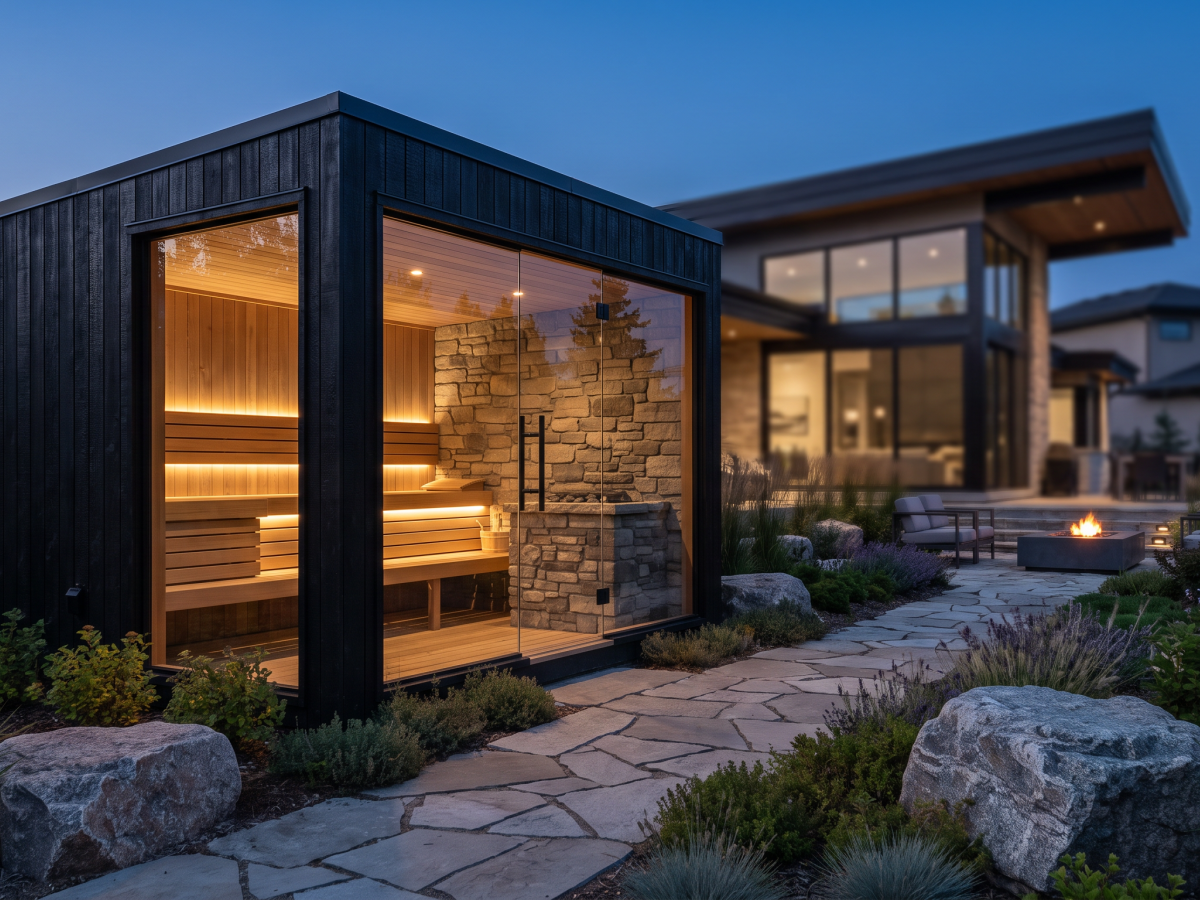
If you're looking for a custom outdoor sauna in Winnipeg, you're past the browsing stage. The real question is who can actually build one properly.
Not everyone selling saunas is a true custom builder. Some are retailers, some are resellers, and some are general contractors who can build almost anything but don't necessarily understand what a sauna specifically demands. In Manitoba, that gap matters. A sauna here has to handle real winter, real moisture, real site conditions, and it has to actually perform, not just look good in a listing photo.
What a real custom builder does
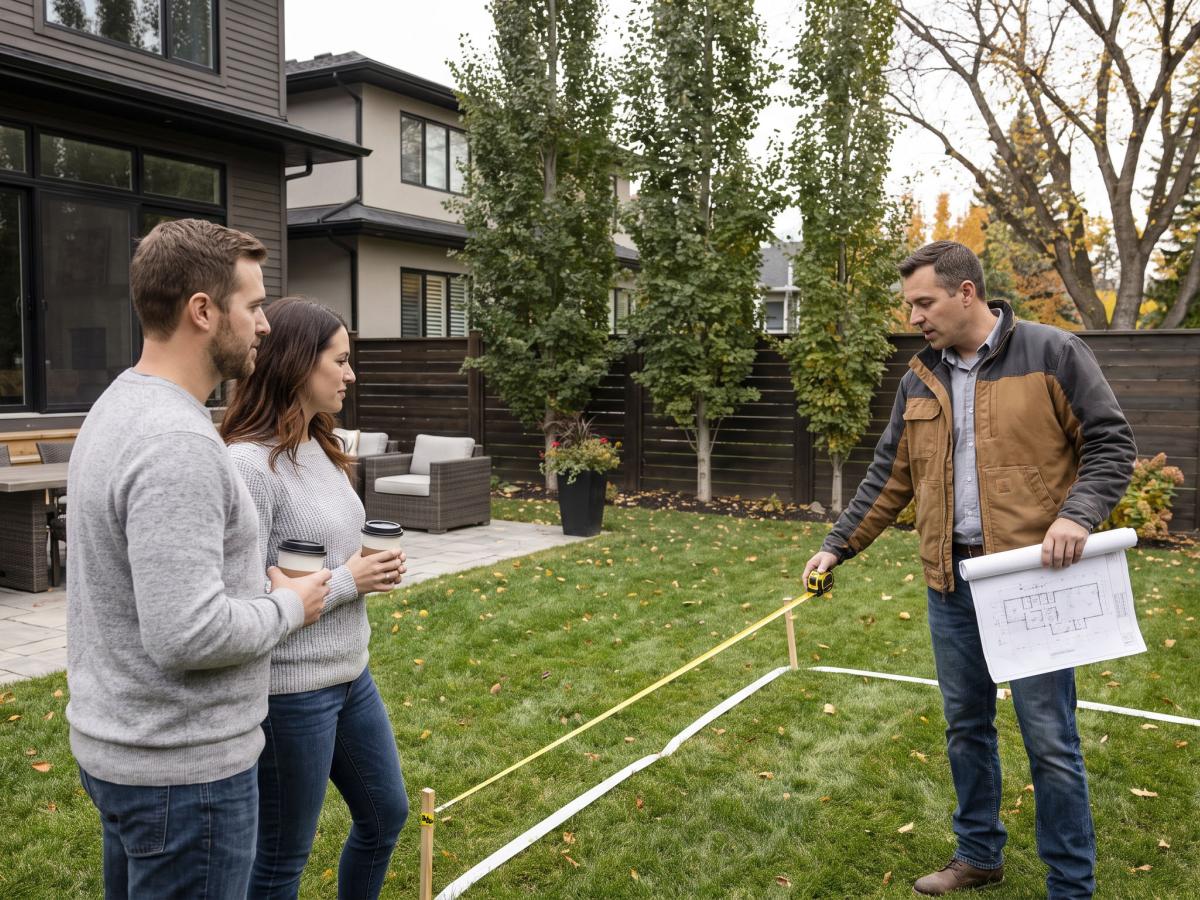
A real builder starts with the property, the intended use, and how the sauna needs to perform, not with a catalog. That means:
- a site visit and layout planning
- understanding backyard access
- planning the foundation or base system
- choosing heater type and size
- handling electrical or wood-burning requirements
- designing the bench layout for comfort
- detailing insulation, vapor control, and ventilation
- selecting exterior materials built for Manitoba weather
- coordinating permits, trades, and inspections
A retailer can help you pick a model. A general contractor can assemble a structure. A custom builder has to understand how all of those pieces work together as one system, or you end up with something that gets hot but never quite feels right.
Why local matters
A local builder brings two advantages that are easy to underrate.
The first is site knowledge. Winnipeg backyards aren't interchangeable. Some are tight and hard to access, some have grading or drainage problems, some have wind exposure or a difficult electrical run. A local builder can walk the site and plan around what's actually there instead of guessing from a photo.
The second is climate knowledge. A Manitoba sauna deals with snow load, freeze-thaw cycling, and repeated heating and cooling, winter after winter. That means the wall assembly, roof, cladding, flashing, base prep, air sealing, and drying strategy all have to be built for cold, not adapted from a warmer climate design. Get those wrong and the sauna starts aging in year one instead of holding up past year ten.
There's a third advantage too: after-build support. A local builder can come back. They can inspect, service, or troubleshoot a heater, door, or bench years after the invoice is paid. Distance matters after the sale, not just during it.
What to ask a builder
Ask more than the price. A serious builder should have real answers to:
- How do you build for Manitoba winters?
- What does your wall and ceiling assembly look like?
- How do you handle ventilation?
- How do you decide between electric and wood-burning heaters?
- Who handles the electrical planning?
- Do you help with permits and inspections?
- What foundation or base do you recommend?
- Can I see real local projects, not stock photos?
- What happens if I need support after it's built?
A builder who's actually building saunas, not just selling them, won't flinch at any of these.
What a portfolio should actually show
You want the finished photos: exterior, interior, bench layout, lighting, how it sits on the property. But a strong portfolio should also show the parts nobody sees once the cladding goes up: framing, insulation and vapor control, ventilation rough-ins, foundation work, and the trim and bench work up close.
Most buyers never see what's behind the walls. If a builder never shows you either, that's usually a sign the conversation has stayed on appearance instead of performance.
What retailers and general contractors tend to miss
A retailer knows product lines, wood species, and accessories, which is genuinely useful, but they're usually not responsible for site fit, foundation planning, or how the structure holds up outdoors over years. A general contractor can be excellent at broad construction and still miss sauna-specific design. A sauna isn't a shed with a heater bolted in. It's a high-heat, high-moisture environment where heater placement, bench height, foot warmth, ventilation, and wall assembly all have to work together before the first crack or cold spot shows up.
What we do differently
At Turon Saunas, the goal isn't to sell the fastest box. It's to build something that works properly in Manitoba conditions and fits the property it's sitting on. That means walking the backyard first, discussing heater options honestly, planning layout and comfort, handling permits and trades, and building for structure, insulation, ventilation, and longevity from day one. It also means staying local, so support after the build isn't a phone call to someone three provinces away.
The next step
Skip comparing random product listings and book a consult instead. A real one should answer the big questions early: what size actually makes sense, what heater fits your use, where the sauna should sit, what the site requires, and what a completed project realistically costs.
A custom outdoor sauna comes down to more than heat. It comes down to whether the person building it understands the site, the climate, and how to make it last. Start there before you start comparing prices.
