
An outdoor sauna can raise your home's value. It can also do nothing for it. The difference comes down to how it's built.
A sauna with a real foundation, proper insulation, and a wall system built for freeze-thaw cycles reads as an improvement to the property. A sauna dropped on a few patio blocks with no vapor barrier reads as something the next owner will have to deal with. Buyers can tell the difference, even if they don't know the technical terms for what they're looking at.
What buyers actually notice
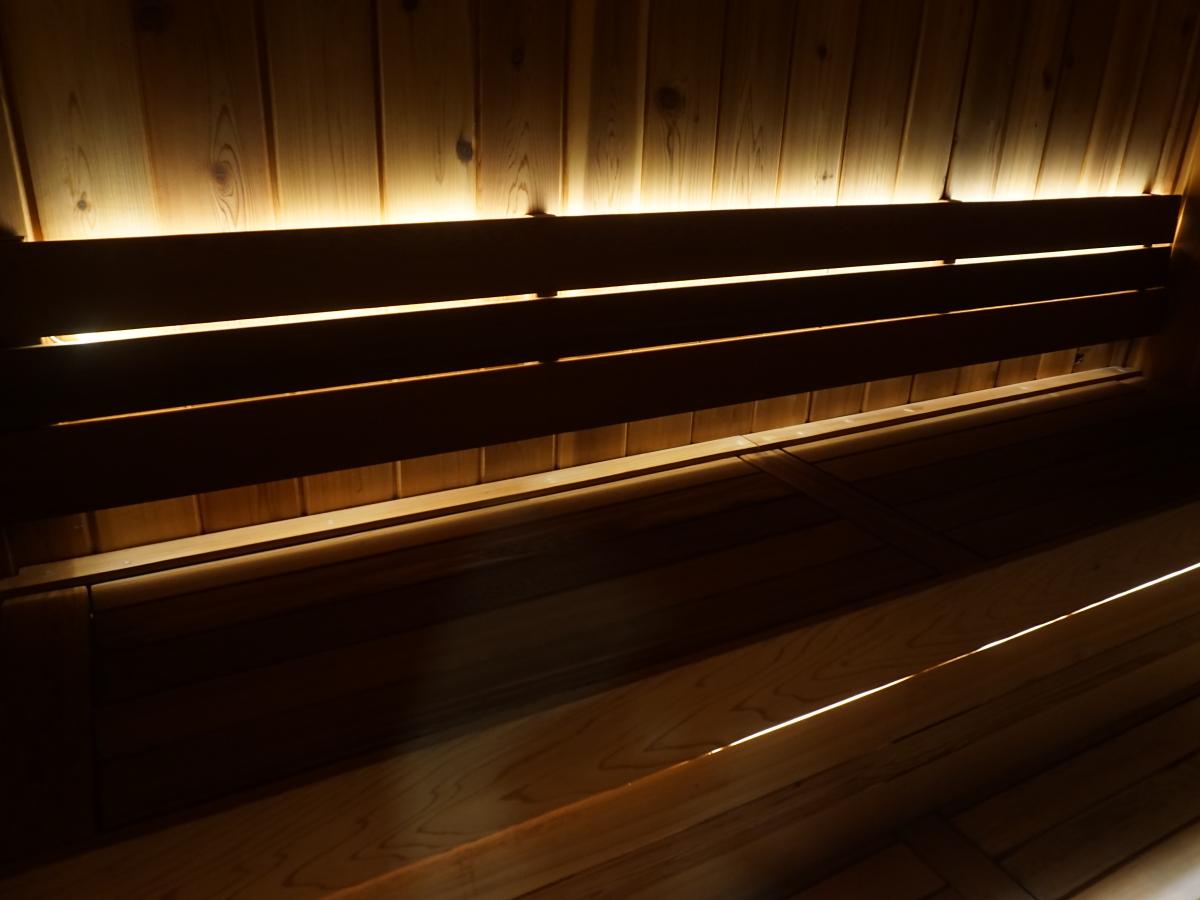
Most buyers can't tell you what an R-value is. But they can see whether a roofline matches the house, whether the door seals properly, whether the wood looks like it's already starting to cup or grey unevenly. They'll ask questions once something looks off: does this hold heat in winter? Is there a vapor barrier? What's under it?
A cheap build invites those questions. A well-built one doesn't come up in conversation at all — it just looks like it belongs there.
Fixed vs. moveable
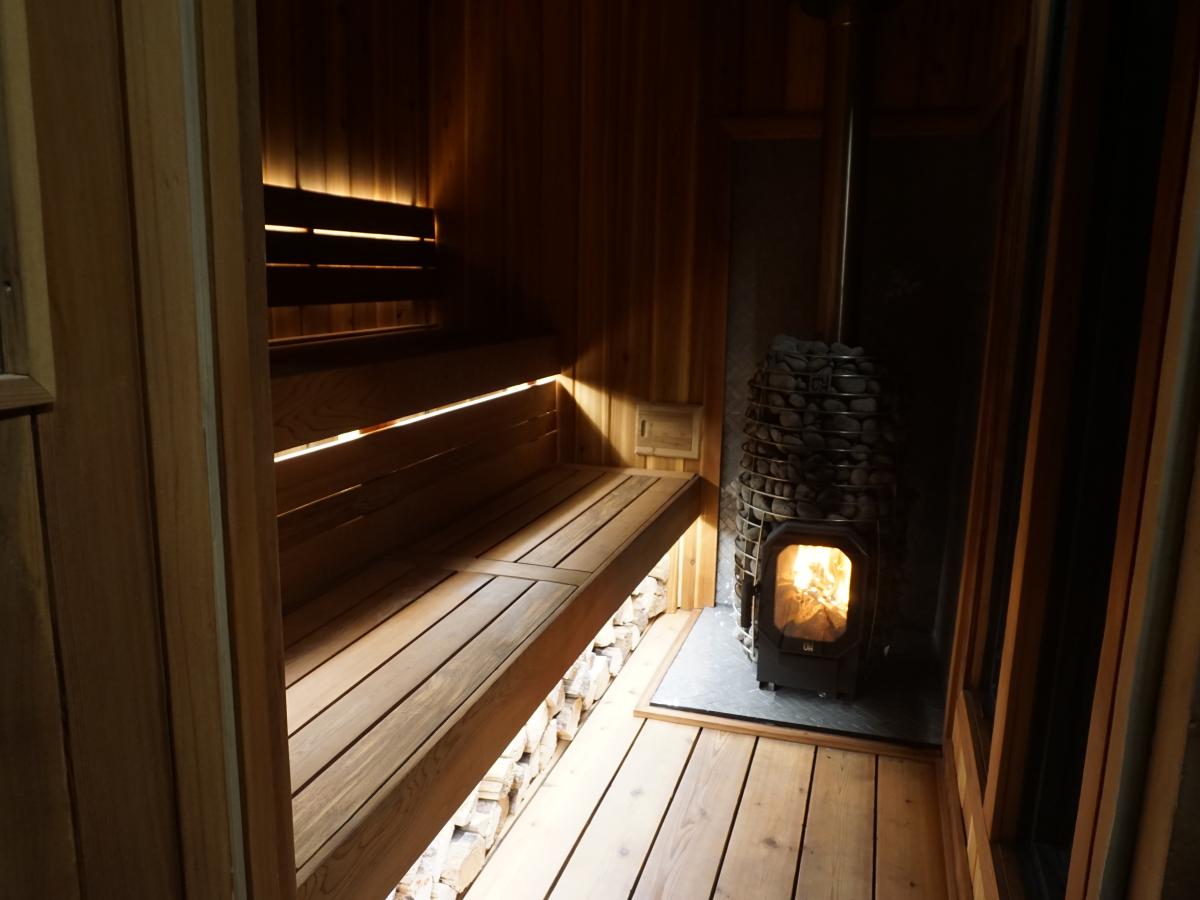
A trailer sauna or a plug-and-play unit gets treated like furniture. A buyer or an appraiser can reasonably see it as something the seller might take with them, or negotiate separately from the house. A sauna built into the deck, the landscape, or the backyard plan gets treated differently. It reads as part of the property, not an accessory sitting on it.
That doesn't mean an appraiser hands you a dollar figure for the sauna itself. Appraisals run on comparable sales, market conditions, and how typical a feature is for the area — the Appraisal Institute of Canada has been clear that appraisals exist to help owners understand real value, not sentimental value. But the Institute has also named exterior improvements like decks, hot tubs, and outdoor living features as the kind of curb-appeal upgrades that move the needle on a property's appeal. A permanent, well-integrated sauna fits that category. A trailer sitting on the lawn doesn't.
The wellness angle is real, and it's growing
The Global Wellness Institute put wellness real estate at $584 billion in 2024 — up 18% from the year before. That's the category a home sauna sits in now. For a certain buyer, it's not a bonus feature. It's the reason they'd pick one house over another.
Manitoba makes that sharper. Our outdoor season is short. A sauna built to handle our winters gives a backyard a reason to get used in January, not just July — and that's a harder thing for a house without one to compete with.
Why custom builds hold up better than pods
Prefab kits are easier to shop for. You can compare them online, get a price, and move on. But they're built for an average yard, an average climate, an average user. A custom sauna gets built for your slope, your snow load, your view, your heater preference, and how many people will actually use it.
In a cold climate, that's not a luxury detail. Wind, moisture, and freeze-thaw cycles are the actual test a backyard structure has to pass, and a builder designing for your specific site handles that differently than a reseller shipping a standard unit to whoever orders it.
Document the build
If resale is even a small part of the reason you're doing this, take photos as you go — the site before, the framing, the insulation going in, the finished result. Buyers two or three owners from now won't see any of that once the walls are closed up. A folder of construction photos is the only way to prove the sauna was built properly instead of assembled quickly.
Where this leaves you
A well-built sauna adds appeal. A cheap one adds a question mark. Execution is the whole answer to whether it adds value — not the fact that a sauna exists in the backyard at all.
At Turon Saunas, we build for Manitoba conditions: structure, insulation, ventilation, and exterior materials that hold up through actual winters, not showroom weather.
